
Roaring Fork River Guide
The Roaring Fork River is one of Colorado’s most iconic rivers, flowing roughly 70 miles from the high alpine near Independence Pass down through valleys, canyons, farmlands, and into the Colorado River at Glenwood Springs. It supports diverse recreation, rich fisheries, and impressive scenery that have made it a cornerstone of mountain outdoor life in the Roaring Fork Valley.
Key Facts & Details
Length: 70 miles from source to confluence with the Colorado River.
Source: Independence Lake near Independence Pass (12,490 ft).
Mouth: Colorado River at Glenwood Springs (5,718 ft).
Tributaries: Fryingpan River, Crystal River, Maroon Creek, Snowmass Creek, and others.
Designation: Gold Medal waters for prolific trout fishing (between Basalt and Glenwood Springs).

Current River Flow (CFS)
Real‑time flow is essential for planning activities like rafting, kayaking, SUP, and fly fishing. The most reliable source for updated discharge (cubic feet per second) data is the U.S. Geological Survey (USGS) National Water Information System, which provides real‑time sensor data from multiple gauges along the river:
- Roaring Fork near Aspen: USGS Station 09073400
- Roaring Fork near Glenwood Springs: USGS Station 09085000
- Roaring Fork near Emma: USGS Station 09081000
| Season | Best Activities | Typical Flow (CFS)* | Notes |
|---|---|---|---|
| Spring (Apr–May) | Early river access, fly fishing (nymphing), scenic drives | 200–900+ | Snowmelt increases flows; rafting begins late May |
| Summer (Jun–Aug) | Rafting, kayaking, SUP, fly fishing | 300–1200+ | Peak rafting season; warmer temps |
| Fall (Sep–Oct) | Fly fishing, scenic paddles, cooler water | 100–400 | Lower flows and clear water |
| Winter (Nov–Mar) | Fishing (lower elevation), photography | <50–100 | Ice influences fishing access |
*These ranges are estimates based on typical seasonal patterns and available gauge data; check real‑time flows before planning.
Popular Activities on the Roaring Fork
Whitewater Rafting
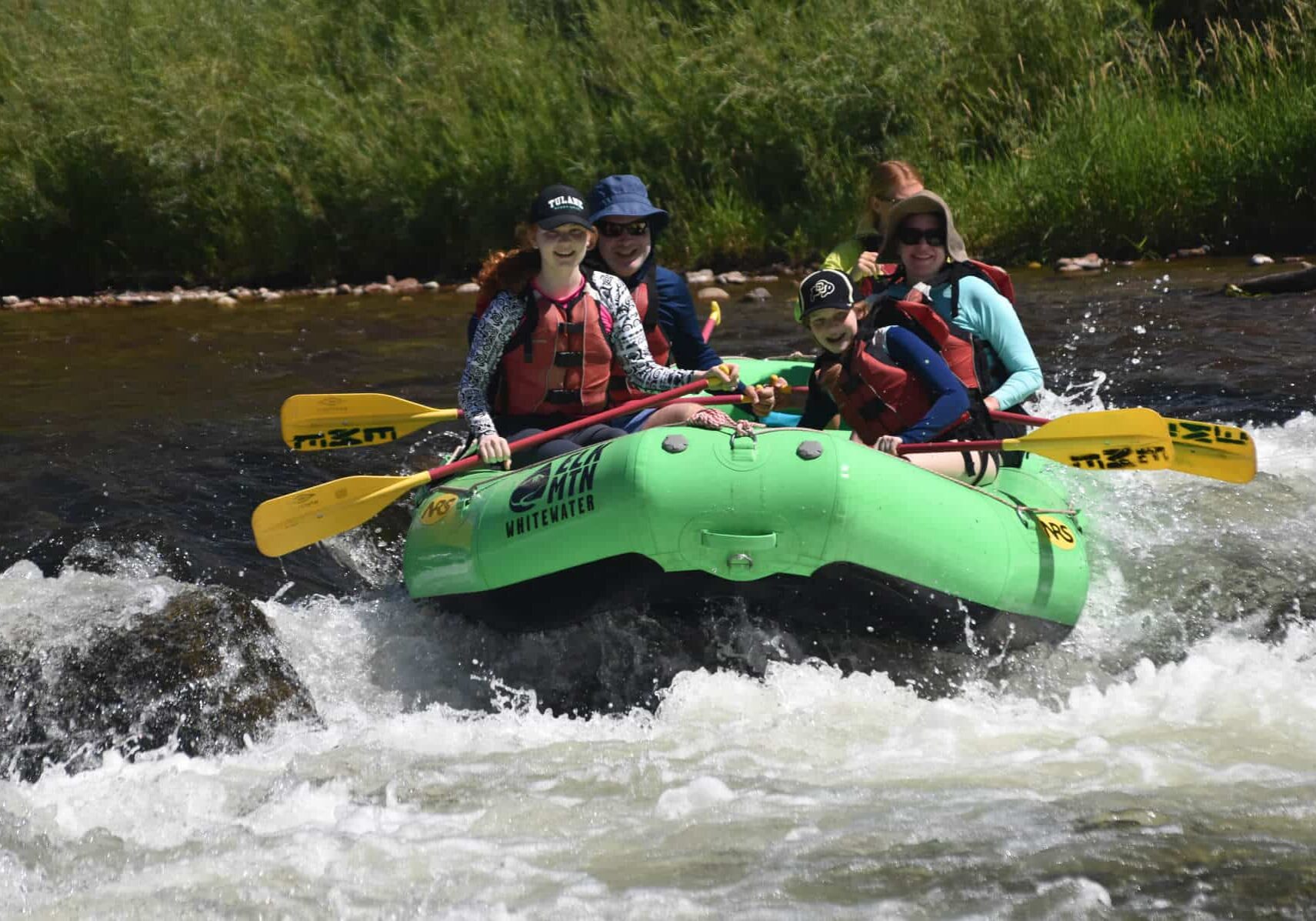
The Roaring Fork hosts Class II–III rafting in its runnable sections, depending on flows, with scenic canyon stretches and beginner‑friendly rapids. A guided trip is recommended for safety and experience.
Kayaking
Stable flows in summer and fall support recreational kayaking; higher flows can push Class III lines. Elk Mountain Expeditions can advise on timing and sections.
Stand‑Up Paddleboarding (SUP)
The North Star Nature Preserve is a favored flatwater SUP location with calm water, scenic views, and easy access, ideal for families and beginner paddlers.
Fly Fishing
The Roaring Fork offers Gold Medal trout fishing, with excellent populations of rainbow, brown, and wild trout. You can fish from shore, wade, float, or elevate your experience with a guided trip:

Where to Put In & Take Out
Popular access points for river recreation include:
- Upper Reach (Near Independence Pass): For scenic float and fishing access.
- Rio Grande Trail Access: Multiple public access points between Aspen and Carbondale for fishing, wading, or paddleput‑in.
- Stein Park
- Jaffee Park
- Wingo Pedestrian Bridge (wade fishing only)
- Catherine Store (wade fishing only)
- Basalt Business Area: Launch points for float trips, rafting meet‑ups, and fishing access.
- Carbondale: Highway 133 bridge for boat access.
- Iron Bridge: Boat ramp access.
- Glenwood Springs: Two Rivers Boat Park for boat ramp access.
Wildlife Along the River
The Roaring Fork supports a diverse mountain ecosystem. Along the banks and adjacent habitat you may observe:
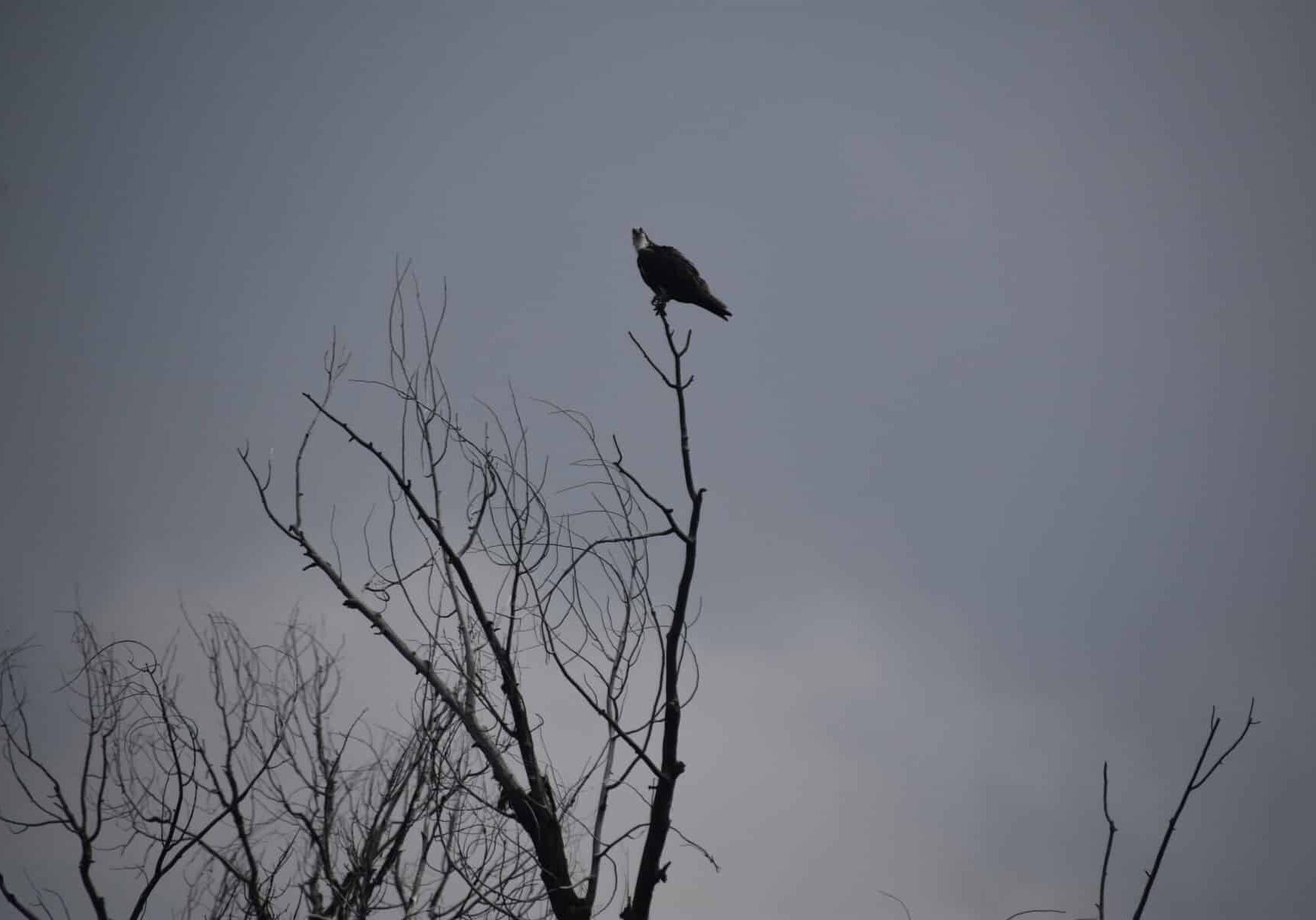
- Birds: Bald eagles, osprey, great blue herons
- Mammals: Elk, mule deer, beaver, and the occasional bear
- Riparian Species: River otters, trout species
Roaring Fork River
FAQs
Have more questions
How deep is the Roaring Fork River?
What class rapids are on the upper Roaring Fork River?
Where does the Roaring Fork River start and end?
Can I fish the Roaring Fork in winter?
Is the Roaring Fork good for beginners?
Featured
Roaring Fork Adventures
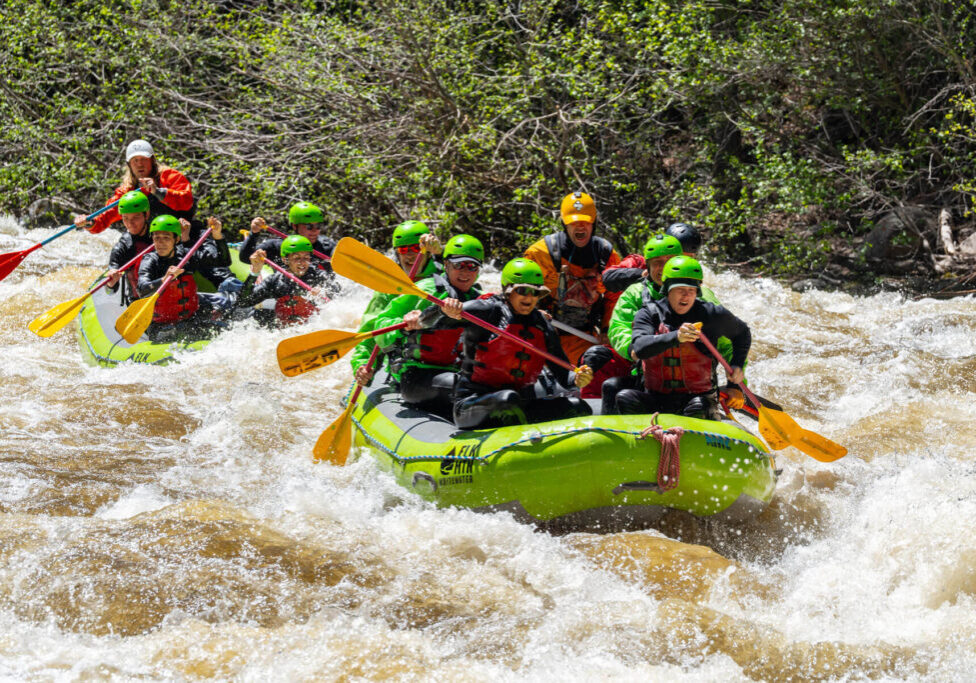
Slaughterhouse Falls
Duration: 1/2 Day
Minimum Age: 14 - 16 ( water-level dependent)
Season: May - July

Lower Roaring Fork
Duration: 1/2 Day
Minimum Age: 4 (at least 35 lbs)
Season: May-September

Upper Roaring Fork Inflatable Kayaks
Duration: 1/2 Day
Minimum Age: 10-12 (water level dependent)
Season: Mid June - August

Guided Float Fishing
Duration: 1/2 or Full Day
Minimum Age: 12
Season: Year Round

